Real-World Daily Journal Recommendations for Writers Who Actually Write
I have been keeping a journal of one kind or another for more than thirty years. Over that time I have filled softcover notebooks, hardcover classics, spiral-bound pads from the drugstore, and a few handmade books I would not trade for anything. Along the way I have learned a few hard truths about what makes a journal work for daily writing. The paper has to behave with the pen you prefer. The binding has to lie flat. The size has to fit the bag you carry. And the whole thing has to feel good enough that you want to open it again tomorrow.
This piece is not a roundup of everything on the shelf. It is a set of daily journal recommendations shaped by real use, by mistakes, and by the quiet pleasure of finding the right notebook for a particular kind of writing life.
Start with Paper, Not Brand
I used to choose a journal by its cover. A nice cover does matter, but the paper makes or breaks the habit. If the ink feathers, bleeds through, or makes the pen feel scratchy, you will find reasons to skip a day. Then two days. Then a week. So my first recommendation is to pick paper that suits your writing tools.
For fountain pen users, Tomoe River Paper is the gold standard. It is thin, lightweight, and handles wet ink with almost no bleed-through. The Hobonichi Techo uses Tomoe River Paper, which explains why so many writers swear by it for daily entries. The paper has a soft, slightly slick feel that lets a fine nib glide. If you prefer a more substantial page, Rhodia and Clairfontaine offer coated paper that is smooth and resistant to ghosting. Their notebooks are widely available and consistent batch to batch.
Ballpoint and gel pen users have more flexibility. A Pilot G2 works on almost any paper, but I still notice a difference in feel. On cheap paper the G2 can feel draggy. On a good stock like the 80gsm found in Leuchtturm1917 notebooks, it runs smooth and clean. Leuchtturm1917 is a popular choice for daily journaling because the pages are numbered, there is a table of contents, and the cover options are solid. The paper is not as fountain-pen friendly as Tomoe River, but for most pens it is excellent.
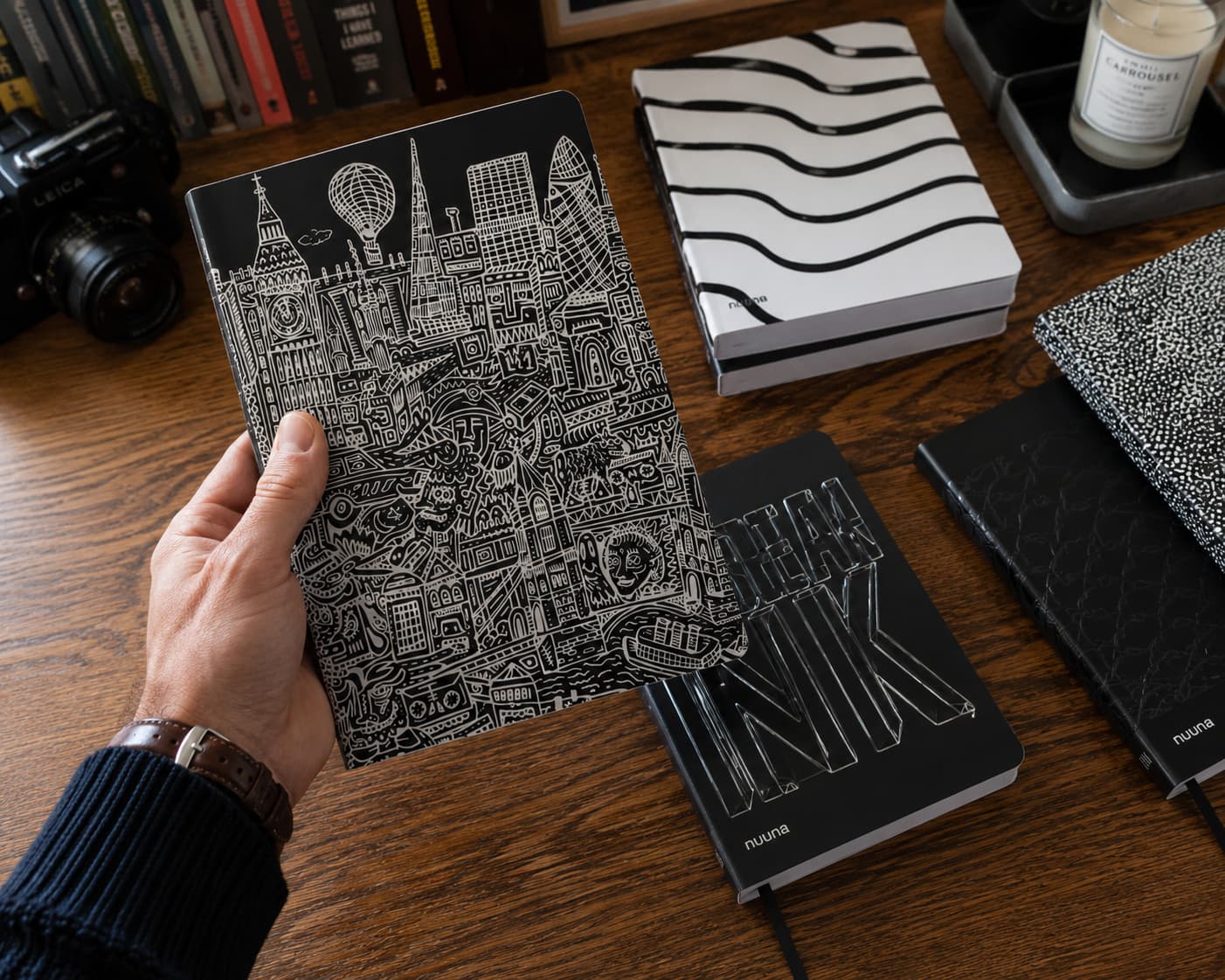
I keep a stack of Field Notes notebooks for quick notes. The paper is not top-tier, but the size fits a shirt pocket and the price means I do not worry about wasting pages. For daily journal recommendations I think it helps to separate the notebook you carry everywhere from the one you sit down with at a desk. They serve different purposes.
Hardcover, Softcover, or Staple-Bound
Hardcover journals protect the pages well and give a solid writing surface on your lap. The Moleskine classic is the most recognised hardcover notebook in the world, and for good reason. It has a cult following, a sewn binding, and an elastic closure. I used Moleskine for years before I noticed the paper had become thinner and more prone to bleed-through. It still works fine for pencil or ballpoint, but I stopped using it with fountain pens.
Softcover notebooks, like the ones from Nanami Paper or the standard Leuchtturm1917 softcover, are easier to fold back and carry. They weigh less. The trade-off is that they wear faster at the corners and spine. For a daily journal that lives in a bag, softcover is often the better choice. I switch between a Leuchtturm1917 softcover for morning pages and a Traveler's Notebook system for random jottings. The Traveler's Notebook lets me swap inserts, so I can keep a monthly calendar, a plain notebook, and a sketch insert all in one leather cover. It is a modular approach that suits people who like to organise by theme rather than chronology.
Staple-bound notebooks like the standard Field Notes or the smaller Muji notebooks are cheap and replaceable. They do not lie flat as well as sewn bindings, but they cost a fraction of the price. For writers who go through a journal every few weeks, staple-bound is practical. I use a Muji notebook for grocery lists and quick phone calls. It is not precious. That is the point.
Specialty Notebooks for Specific Habits
Some journals are designed around a particular method. The Hobonichi Techo is a daily planner with a page per day and a wealth of reference pages. It is small, densely packed, and uses Tomoe River Paper. I have used it for three years and I still find new ways to use the grid. The paper handles fountain pen ink beautifully, and the thinness means a full year fits in about a centimeter of thickness. It is my top pick for daily journal recommendations if you want structure without rigidity.
Rocketbook is the opposite approach. It uses reusable pages that you wipe clean with a damp cloth. I was skeptical at first. But for someone who drafts and discards constantly, it saves paper and money. The Rocketbook app scans your pages and sends them to cloud storage. I use it for meeting notes and rough drafts. It is not a journal in the sentimental sense, but it is a valid daily writing tool.
Archer & Olive makes beautiful hardcover notebooks with thick 100gsm paper that can handle almost any medium, including water-based markers. The paper is bright white, which some writers dislike, but the thickness is a comfort if you hate ghosting. They are expensive, and the binding is sewn, so they last. I keep one for longer form writing, the kind that stays on a shelf after it is full.
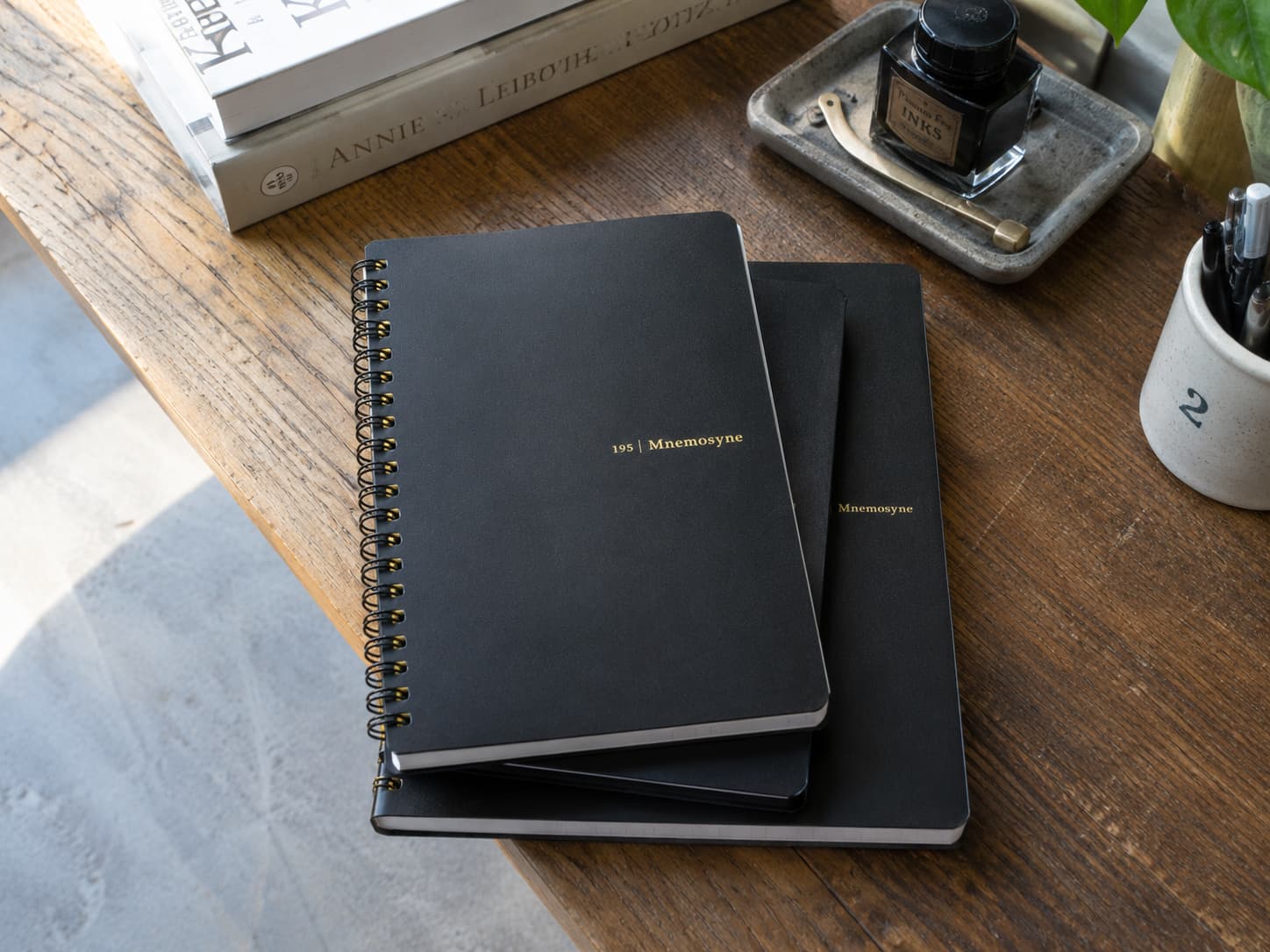
Dingbats notebooks are similar in quality, with an emphasis on eco-friendly materials. The paper is 100gsm, cream coloured, and fountain pen friendly. The covers are made from recycled leather. I have one in my travel bag and it has held up well through rain and coffee spills.
Size and Portability
The best daily journal is the one you have with you. A5 is the standard size for most serious journaling. It fits in a medium bag, offers enough space for a full page of writing, and is comfortable to hold. Leuchtturm1917, Rhodia, and Clairefontaine all make excellent A5 notebooks. B5 is larger, closer to a sheet of paper, and better for desk use. I use a B5 Nanami Paper notebook for morning pages because I write big and fast.
Pocket-sized notebooks like Field Notes or the smaller Traveler's Notebook inserts are good for capturing thoughts on the go. They force brevity. I have a friend who uses a pocket Moleskine for a single sentence per day. He has done it for ten years. That counts as a daily journal even if the format is small.
Pen Choice Matters Too
A good notebook deserves a good pen. I have used the Lamy Safari for years. It is reliable, inexpensive, and takes a beating. The nibs are interchangeable, so you can switch between fine and medium without buying a new pen. For a disposable option, the Pilot G2 in 0.7mm is smooth and consistent. I keep a handful in my bag at all times.
If you are using Tomoe River Paper, a fountain pen with a wet nib is a joy. The paper shows shading and sheen that other papers hide. I have a Lamy Safari with a fine nib and a Waterman ink that looks different on every page. That kind of small pleasure keeps me coming back to the notebook day after day.
What I Have Learned About Consistency
I have tried dozens of notebooks over the years. Some were beautiful but impractical. Some were cheap and uninspiring. The ones that stuck were the ones that fit my actual life, not my idealised version of it. If you write at a desk, a heavy hardcover is fine. If you write on a train, you want something that opens flat and stays open. If you write in bed, a softcover is quieter and less awkward.
For anyone starting out, I recommend buying a single notebook and a single pen and using them for a month. Do not switch. See what you like and what you do not. Then try something different. The wrong notebook teaches you as much as the right one.
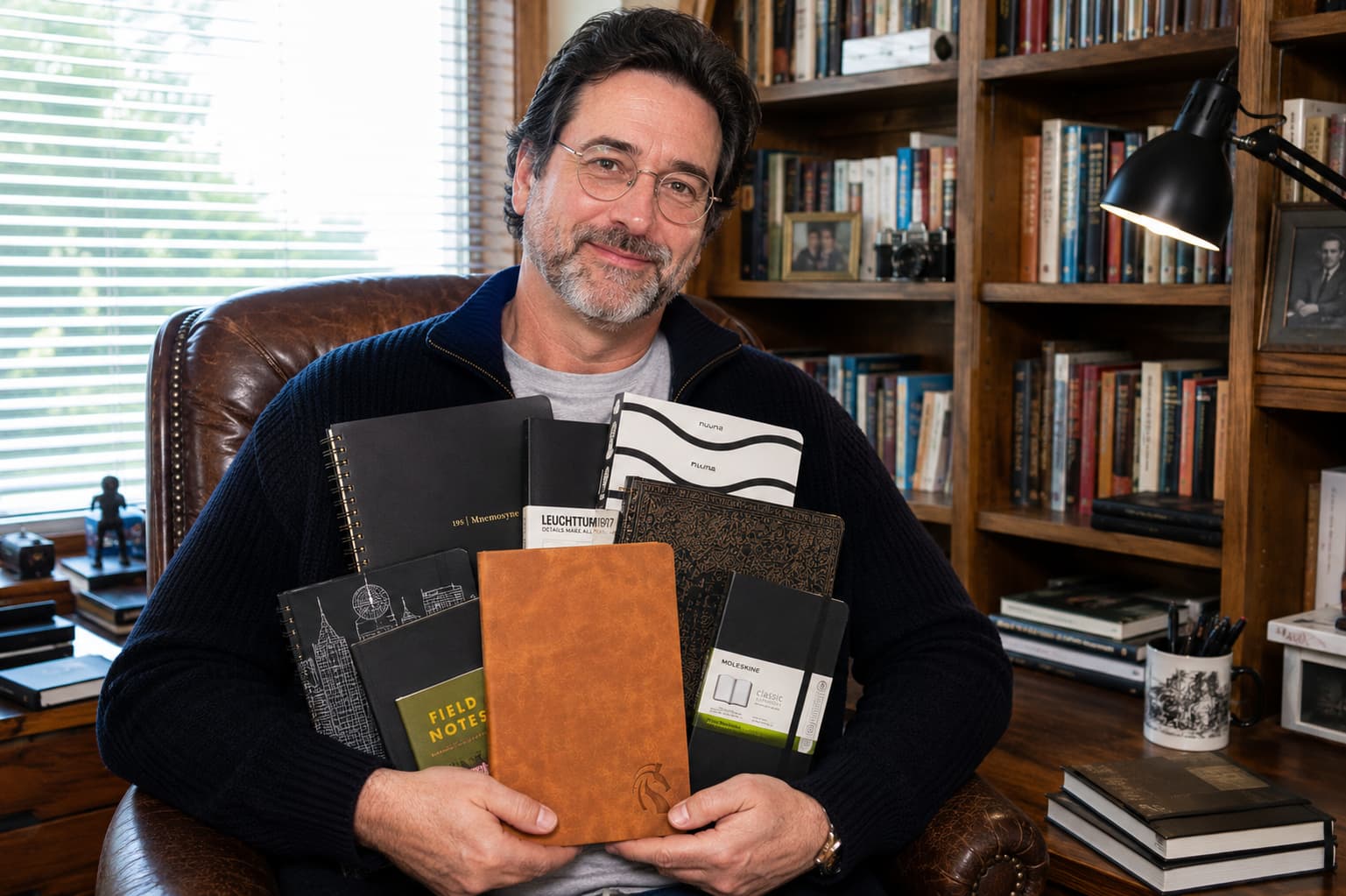
My current daily journal recommendations lean toward the Hobonichi Techo for structure, a Leuchtturm1917 softcover for flexibility, and a stack of Field Notes for quick capture. That is my system. Yours will be different. The important thing is to write. The rest is just paper and ink.
If you want to explore further, look at Paperblanks for decorative covers, Exacompta for archival quality, and Peter Pauper Press for well-made classics. Carson Dellosa makes affordable notebooks for students and beginners. Baron Fig makes minimalist notebooks with great paper and a focus on design. None of these are necessary, but they are worth trying if you enjoy the search.
I still get excited about a new notebook. I also know that the excitement fades if the notebook does not work. That is why I test everything I recommend. These daily journal recommendations come from that testing, not from a catalog. I hope they help you find the journal that makes you want to write every day.